
Feature Story
ENERGY TRANSITION FORUM
Shared fields, shared prosperity in South Korea
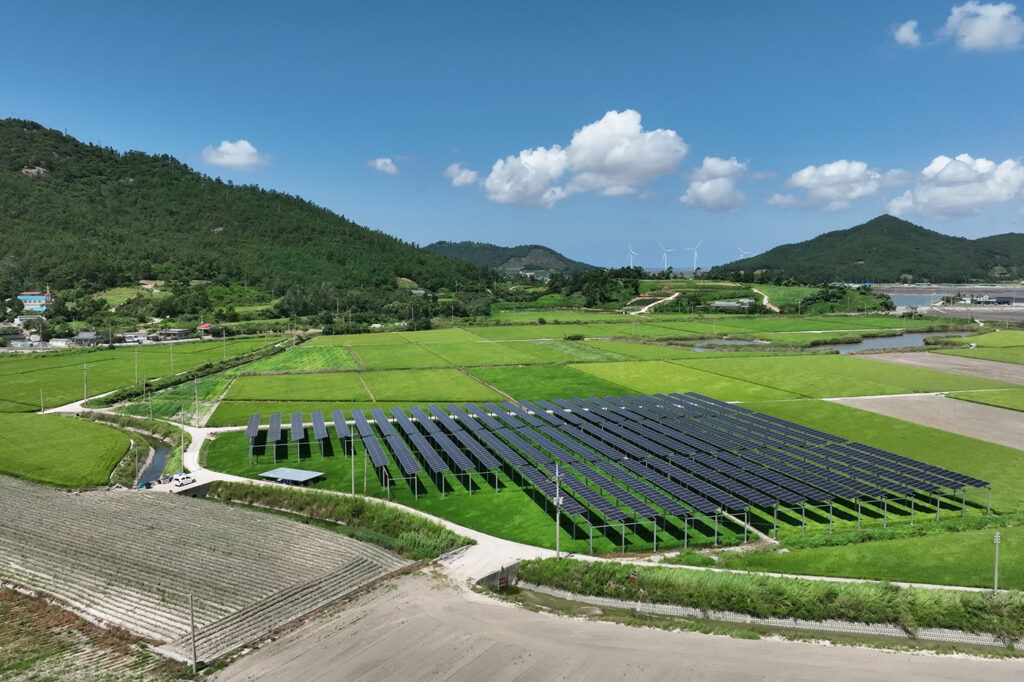
For years, farming had become increasingly uncertain for the farmers of Wolpyeong Village. An ageing population meant fewer hands in the fields, while water shortages made every growing season more difficult. So when agrivoltaics – the practice of growing crops beneath solar panels, generating power without giving up farmland – was proposed, many were unconvinced. Wary of yet another promise for a community that had already weathered its share of setbacks, several farmers decided they needed to see it for themselves.
“We wanted a way for people who had left the village to come back after retirement. We thought agrivoltaics could give them a stable source of income, so they could come home and stay.”
Jong Oh, Kang, Farmer & Director, Wolpyeong Solar Energy Cooperative
Together, they travelled to Boseong and other farming communities where solar panels stood with working fields. They noticed the rice first – still growing, the land still producing. Renewable energy could support farming, they realised, without displacing it.
Returning home, they saw new possibilities for their own community. Led by the village head and 27 residents, they formed a cooperative and committed to building South Korea’s first 1 MW resident-led agrivoltaics project.
In support of this, Energy Transition Forum (ETF) worked closely alongside the community, creating opportunities for farmers to experience agrivoltaics first-hand. ETF facilitated visits to working projects where farmers could speak with their peers, ask questions and judge its potential for themselves. ETF has also worked to strengthen the evidence, awareness and enabling environment needed for agrivoltaics to take root across South Korea.
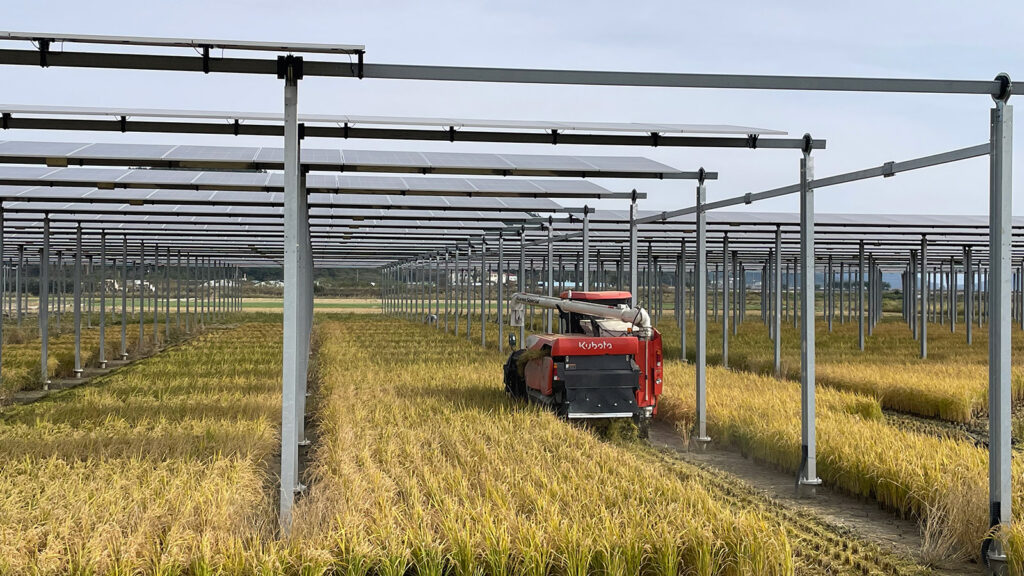
The country’s agrivoltaics potential is estimated at 682 GW of power generation – enough to support homes, businesses and industry at scale. This potential positions agrivoltaics to make a significant contribution to the country’s 2030 renewable energy ambitions.
Stories like those of the farmers in Wolpyeong Village show that clean energy solutions can be sustained through both local innovation and ownership. After two years of planning and approvals, the project has become a reality. Last year, the first harvest was brought in beneath the solar panels, and the farmers are now into their second growing season — a new rhythm taking root in the village, tended by the same people who once travelled in search of answers and returned home determined to build a different future together. At the same time, the community is once again joining forces with ETF to find new pathways forward on grid connection and the longer-term sustainability of the village.
Featured Stories
PEACE AND EQUITY FOUNDATION
Renewable energy for the coffee growers of Mindanao
As manager of a coffee cooperative in Bukidnon, a leading coffee-producing province in the Philippines, Leonila Secadron has spent years navigating power outages while helping farmers bring their harvest to market. Now, solar energy is helping the community finally realise the full value of what they already know how to grow.
RENEWABLES FIRST
The solar boom Pakistan built for itself
Rubina Bibi once relied on oil lamps, worrying for her children after dark. Today, a single solar panel lights her home in Taunsa — one of millions of self-built systems nationwide. Pakistan shows that the energy transition doesn’t always start top-down; sometimes, it begins with people who decide to build it themselves.
SABAH RE2 CONSORTIUM (FACILITATED BY FOREVER SABAH)
A community-led blueprint for clean, reliable power in Sabah
For decades, the Indigenous Suluk people of Pitas Laut protected their mangrove home without reliable power. In 2024, they proposed their own solar project — today, all 20 households run on 24/7 electricity, self-managed. Their story is now a blueprint Sabah hopes to replicate 400 times over.
NEW ENERGY NEXUS
Building Southeast Asia’s clean energy entrepreneurs
A blackout back home pushed Jose Magallanes Jr. to teach himself solar — now he runs his own business in Davao after going through entrepreneurship training. His story reflects a wider truth: the region’s clean energy future depends as much on skilled people as on new solutions.