
Feature Story
RENEWABLES FIRST
The solar boom Pakistan built for itself
For many communities across rural Pakistan, daily life has always been shaped by access to electricity. Meals are prepared before sunset, work slows when daylight fades, and simple activities such as charging a phone or running a fan depend on whether electricity is available.
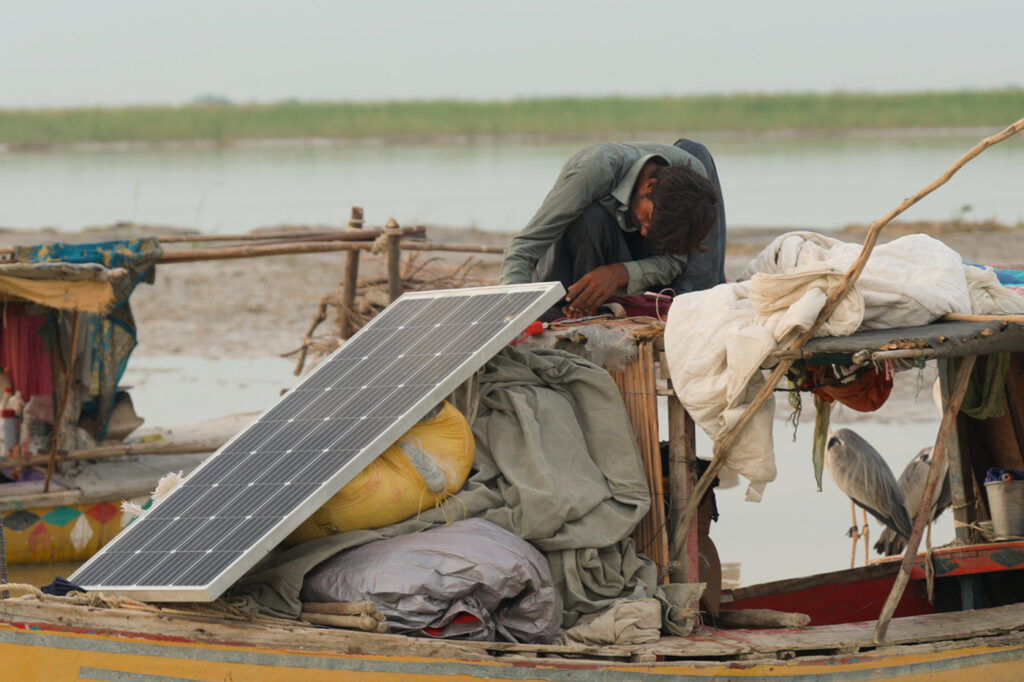
“If it’s dark where we cook or eat, how can we see around us? It’s like being blind. With solar, it feels as if God has brought the sun into our lives.”
Rubina Bibi, Fisherwoman, Taunsa, Pakistan
In Taunsa, a district along the Indus River in southern Punjab, that reality persisted for years. Reliable electricity remained out of reach and, where the grid existed, it was often unreliable or unaffordable. Rather than waiting for the system to improve, many families began investing in small solar systems of their own.
Often carrying individual panels home themselves and sharing electricity with neighbours, they became part of a much broader shift: communities that had long been underserved were beginning to build their own energy future.
Rubina Bibi is one of them. She remembers relying on oil lamps that offered little light and worrying about her children after sunset. Today, a single solar panel provides lighting, powers a fan during extreme summer temperatures, and allows her family to charge a mobile phone.
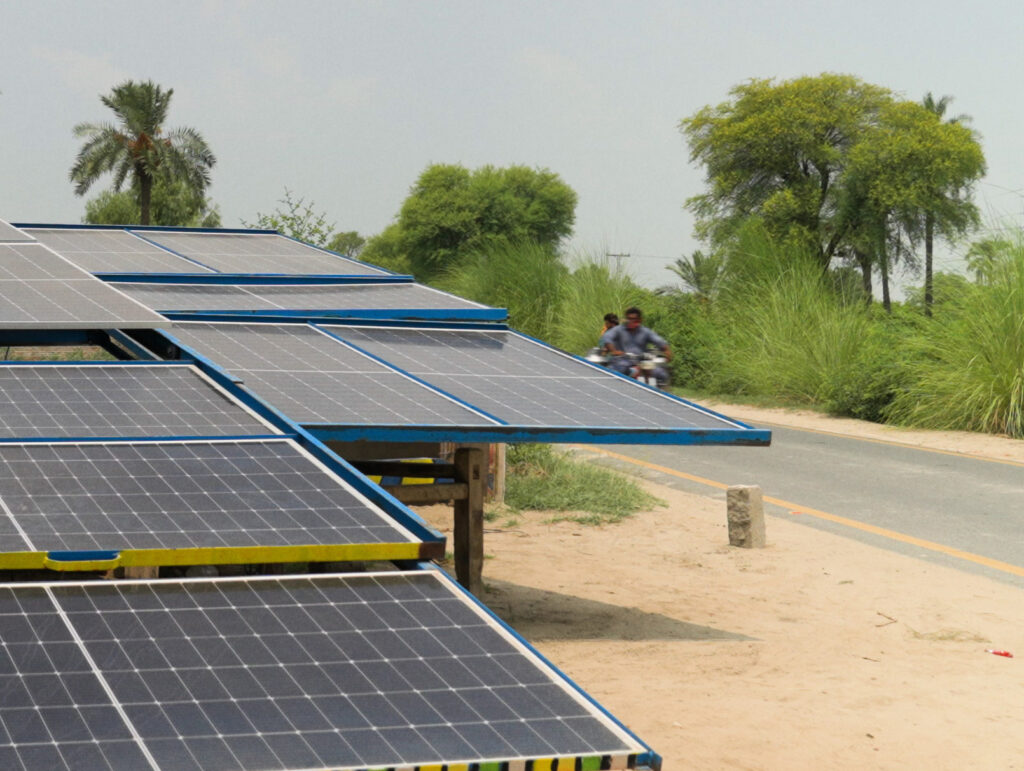
What makes Pakistan’s solar transition remarkable is both its scale and the way it has unfolded. Conventional thinking suggested that renewable energy adoption in developing countries would be driven by government programmes, multilateral finance, or utility-led investments. Pakistan has demonstrated another pathway. Millions of households, businesses and communities have invested in solar themselves, creating one of the world’s fastest-growing distributed solar markets.
According to Zeeshan Ashfaq, CEO of Renewables First, Pakistan has set a rare precedent. Distributed solar is sweeping across Asia, and Pakistan shows what a bottom-up energy transition can achieve for people, power, environment and economy.
For Renewables First, documenting this transformation has become an important part of its work. Through research, storytelling, and policy engagement, the organisation is helping to better understand how communities are driving the energy transition from the ground up, and what lessons Pakistan’s experience can offer other countries across the Global South.
Across Asia, stories like Rubina’s remind us that some of the most transformative energy transitions begin with people. Though Pakistan’s solar story is still unfolding, it already offers an important reminder that energy transition is not always driven from the top down. Sometimes, it begins with people who decide they cannot wait any longer.
Featured Stories
PEACE AND EQUITY FOUNDATION
Renewable energy for the coffee growers of Mindanao
As manager of a coffee cooperative in Bukidnon, a leading coffee-producing province in the Philippines, Leonila Secadron has spent years navigating power outages while helping farmers bring their harvest to market. Now, solar energy is helping the community finally realise the full value of what they already know how to grow.
ENERGY TRANSITION FORUM
Shared fields, shared prosperity in South Korea
As growing seasons turned tougher, agrivoltaics — growing crops beneath solar panels — offered the farmers of Wolpyeong Village a possible path forward. Skeptical, they travelled to see it for themselves, and came home resolved, building South Korea’s first 1 MW resident-led agrivoltaics initiative — demonstrating that clean energy, done right, can support the livelihoods of farming communities.
SABAH RE2 CONSORTIUM (FACILITATED BY FOREVER SABAH)
A community-led blueprint for clean, reliable power in Sabah
For decades, the Indigenous Suluk people of Pitas Laut protected their mangrove home without reliable power. In 2024, they proposed their own solar project — today, all 20 households run on 24/7 electricity, self-managed. Their story is now a blueprint Sabah hopes to replicate 400 times over.
NEW ENERGY NEXUS
Building Southeast Asia’s clean energy entrepreneurs
A blackout back home pushed Jose Magallanes Jr. to teach himself solar — now he runs his own business in Davao after going through entrepreneurship training. His story reflects a wider truth: the region’s clean energy future depends as much on skilled people as on new solutions.