
2025 Programme Highlight
Clean Industrialisation:
Catalysing the Shift to Low-carbon Industry
Asia is home to some of the world’s most significant industrial supply chains and manufacturing hubs, spanning sectors central to electronics, textiles, and construction. As these sectors are among the hardest to decarbonise, the region’s industrial transition is central to meeting global climate goals — and continued, collaborative effort will be key to bringing the sector into closer alignment with 1.5°C pathways. In 2025, Tara partners supported industrial decarbonisation across steel, nickel, and low-temperature heat.
Key Highlights
In Japan, steelmakers Nippon Steel and JFE are increasingly redirecting investment away from blast furnaces and toward electric arc furnace (EAF) technology, investing US$5.69 billion and US$2.26 billion, respectively.
In South Korea, steelmaker POSCO scaled back blast furnace relining plans, and the National Assembly passed the K-Steel Act to support low-carbon steel through subsidies, designated steel zones, certification, and priority public procurement.
In Malaysia, the government released a Steel Industry Roadmap 2035, charting a path to low-carbon production by 2035 and a fully green steel sector by 2050.
In Indonesia, the National Development Planning Agency (BAPPENAS) launched a Nickel Industry Decarbonisation Roadmap targeting an 81% emissions cut by 2045, alongside a broader, interim Industrial Decarbonisation Roadmap guiding nine energy-intensive sub-sectors toward net zero by 2050.
Case Study
Charting a road to cleaner industry in Indonesia
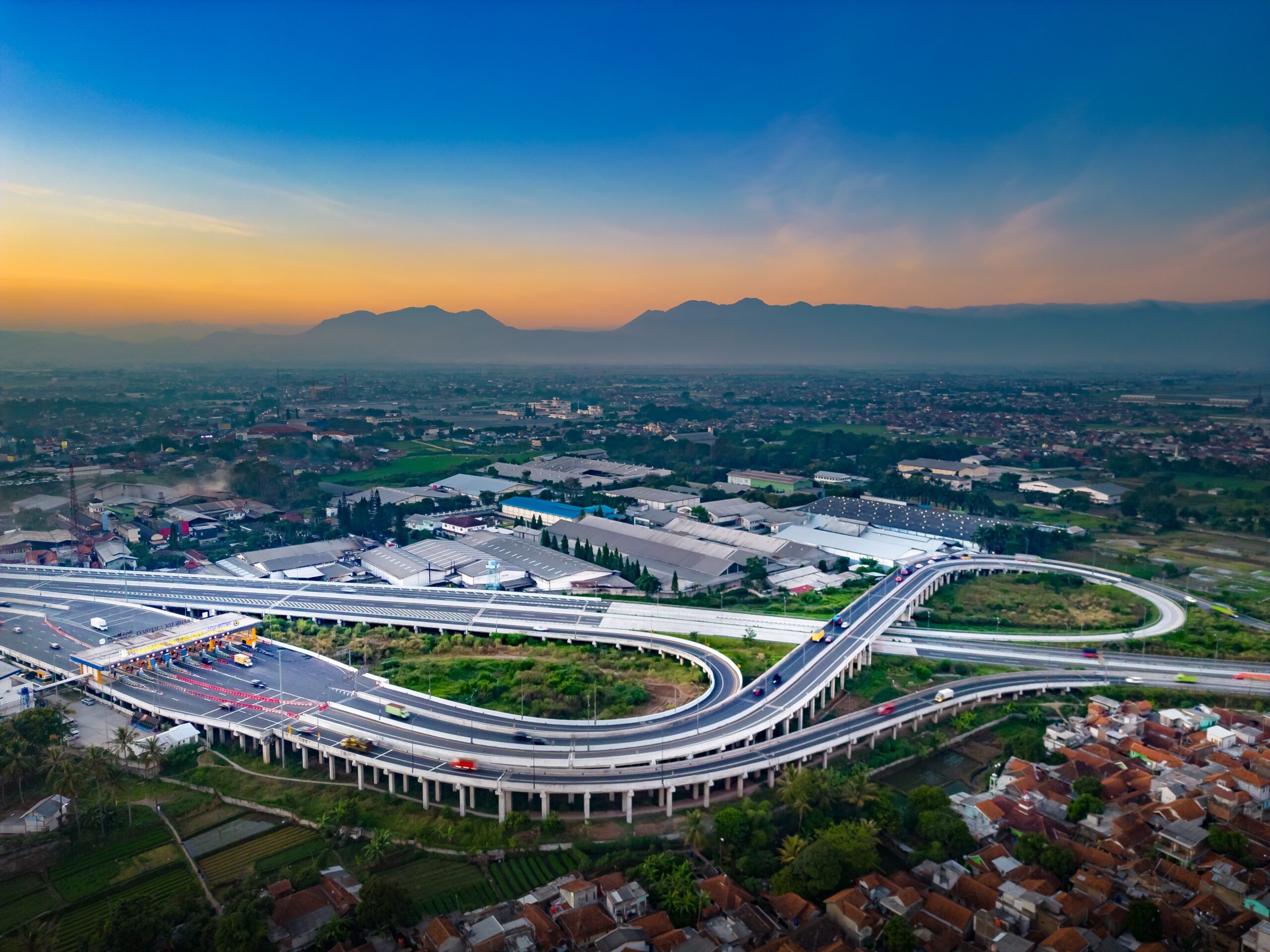
As one of Southeast Asia’s fastest-growing industrial economies, Indonesia’s path to net zero depends heavily on how its energy-intensive sectors evolve. In 2025, the government took a significant step by setting out clearer plans for industrial decarbonisation — beginning with two complementary roadmaps that give industry, investors, and communities a shared sense of direction.
The National Development Planning Agency (BAPPENAS) launched the country’s first Nickel Industry Decarbonisation Roadmap, aiming to cut sector emissions by 81% by 2045 through energy efficiency, fuel switching, and greater use of renewable power. Nickel is central to Indonesia’s industrial strategy and to global clean-energy supply chains, making a credible decarbonisation pathway for the sector especially important. Alongside it, the Ministry of Industry launched a broader, interim Industrial Decarbonisation Roadmap spanning nine energy-intensive sub-sectors — from cement and steel to textiles and food and beverages — to guide industry toward net zero by 2050, ahead of the national 2060 target.
Government leadership was matched by a focus on implementation. With technical support from Tara partners, the Ministry of Industry identified four Net-Zero Industrial Precinct pilot sites — priority zones where heavy industry can be clustered around shared renewable power, clean heat, and low-carbon technologies, improving both emissions performance and long-term competitiveness.
Throughout, Tara partners — including World Resources Institute (WRI) Indonesia and Climateworks Centre — supported the process with technical analysis, modelling, and sector-specific insights, helping ensure the roadmaps align with Indonesia’s national climate goals. Together, these steps mark an encouraging foundation for a managed, locally-led industrial transition — one that can grow stronger as the plans move from design into delivery.