
2025 Programme Highlight
Corporate Engagement:
Driving Business Action on Clean Energy
In 2025, corporate procurement emerged as an important driver of demand for Asia’s energy transition. The region accounted for half of all new RE100 signatories globally, with corporate procurement of renewables reaching 2.1 GW. Tara partners worked to support and sustain this momentum — helping align global buyer demand with workable local procurement mechanisms, addressing technical barriers, and raising the integrity of corporate clean energy claims so that commitments translate into real emissions reductions.
Key Highlights
Corporates accounted for half of all new RE100 signatories globally in 2025, with 43 new corporate actors making RE commitments. Corporate procurement of renewables reached 2.1 GW.
Pakistan launched its Competitive Trading Bilateral Contracts Market and adopted new regulations enabling direct power purchase agreements (DPPAs).
In Malaysia, the 0.8 GW Corporate Green Power Programme reached financial close and sold out, reflecting strong corporate appetite for renewables.
In Japan and South Korea, electric vehicle (EV) markets gained ground. New models from Toyota and Honda lifted Japanese EV sales. South Korea’s EV registrations passed 200,000 for the first time, and Hyundai committed to RE100 across all overseas facilities by 2027.
Case Study
Making the economic case for corporate clean energy in Asia
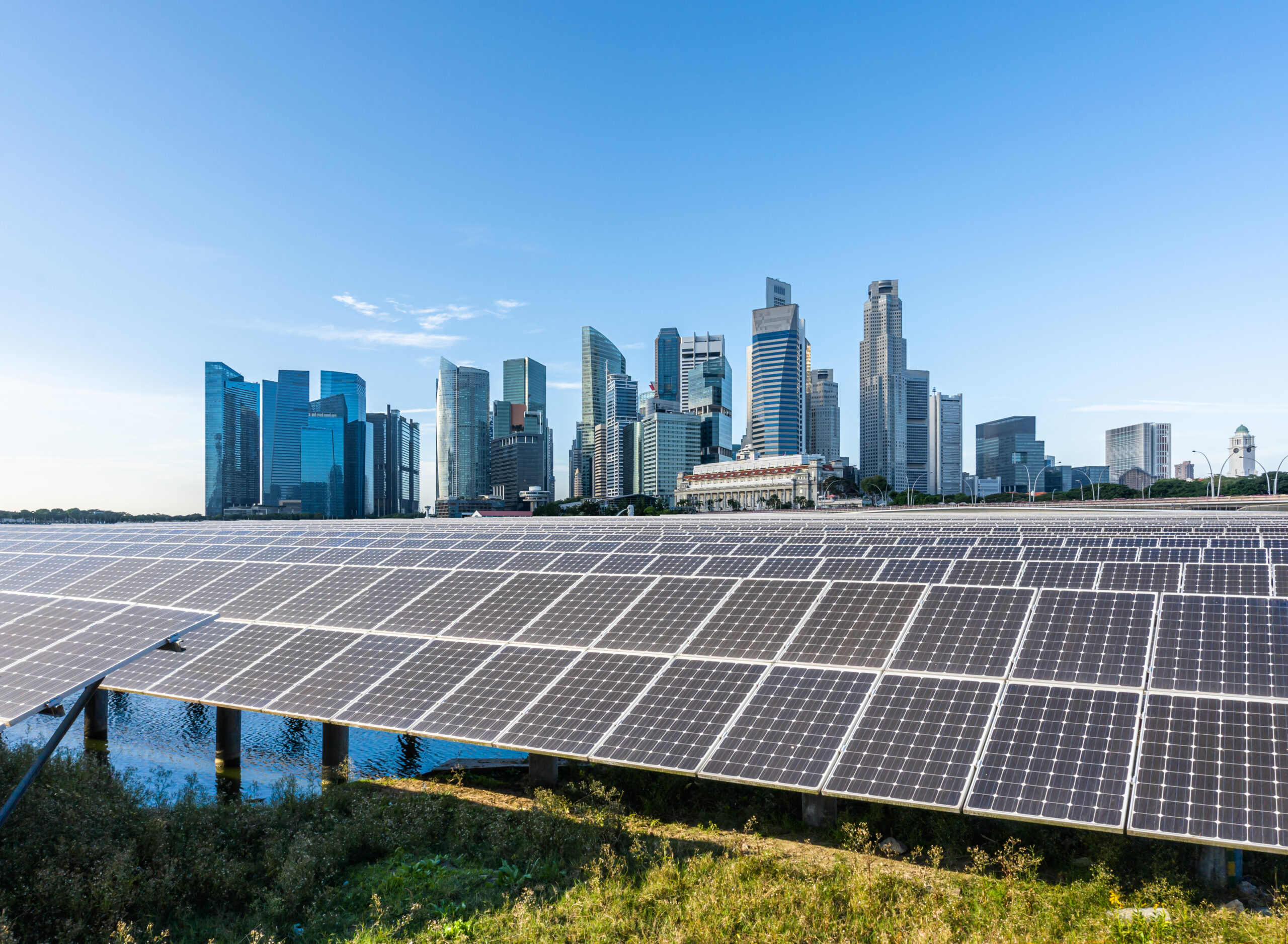
Across Asia, corporate demand for renewable energy is growing faster than the supply available to meet it — companies in the RE100 initiative alone are expected to need an additional 99 GW of renewable capacity by 2030. Yet in many markets, the procurement mechanisms and supply that would let businesses act on that demand remain limited.
In 2025, Tara partner the Asia Clean Energy Coalition (ACEC) set out to reframe how that gap is understood: as both a climate challenge and a significant economic opportunity. ACEC’s report, Asia’s Clean Energy Breakthrough: Unlocking Corporate Procurement for Sustainable Growth, brought economic modelling to a question often framed in purely environmental terms. Examining five priority markets — Indonesia, Japan, Singapore, South Korea, and Vietnam — it found that meeting national renewable energy targets through stronger procurement could deliver around US$27 billion in additional economic output, 435,000 new jobs, and 176 million tonnes of avoided carbon emissions across the five countries.
By quantifying the gains in jobs, wages, and growth, the analysis offered policymakers a tool to position clean energy as a driver of competitiveness. It showed how expanding access to renewables could lower and stabilise electricity prices, strengthen trade access as carbon border measures take effect, and attract investment from global companies seeking low-carbon supply chains — benefits that accrue to economies and communities.
As a private-sector coalition whose members include many of the world’s largest renewable energy buyers and partners, ACEC has drawn on the report as an evidence base for its constructive and collaborative engagement with governments and industry stakeholders. The report’s findings will help inform the design of clearer procurement frameworks — a reminder that, alongside new capacity and new policy, a compelling economic case can be one of the most effective tools for accelerating the corporate shift to clean power.