
Feature Story
PEACE AND EQUITY FOUNDATION
Renewable energy for the coffee growers of Mindanao
Coffee is an impatient business. Once the cherries are picked, there is only a narrow window to pulp, dry, sort and mill them before quality begins to decline. Every delay carries a cost, and few are more disruptive than losing power at the height of the harvest.
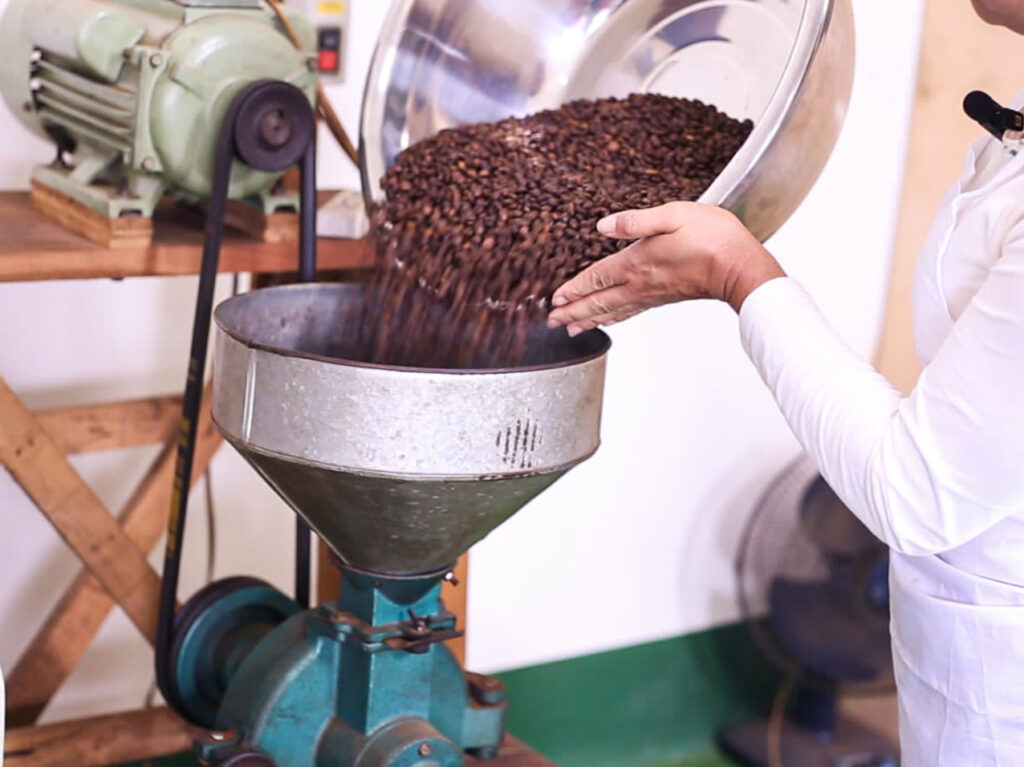
“Since our energy is sourced from the sun and powered by batteries, our farming communities can freely operate in full, including all equipment running, without any disruption and worries about cost of energy.”
Leonila Secadron knows that rhythm well. As manager of a coffee cooperative in Bukidnon, one of the Philippines’ leading coffee-producing provinces, she has spent years helping farmers bring their harvest to market. What she could never control was the electricity.
Power outages became an increasingly familiar part of the job. Machines fell silent in the middle of processing, freshly harvested coffee sat waiting, and days of work could quickly unravel. During one particularly difficult harvest, a week-long outage meant the cooperative fulfilled only half of a major order, losing significant revenue and coming close to losing the customer altogether.
The problem was never the coffee. Mindanao has long been the country’s agricultural heartland, producing some of its finest beans. But for cooperatives like Leonila’s — many of them led and staffed by women—the value of every harvest depended on something far less predictable. Every stage after picking relied on electricity that was never guaranteed.
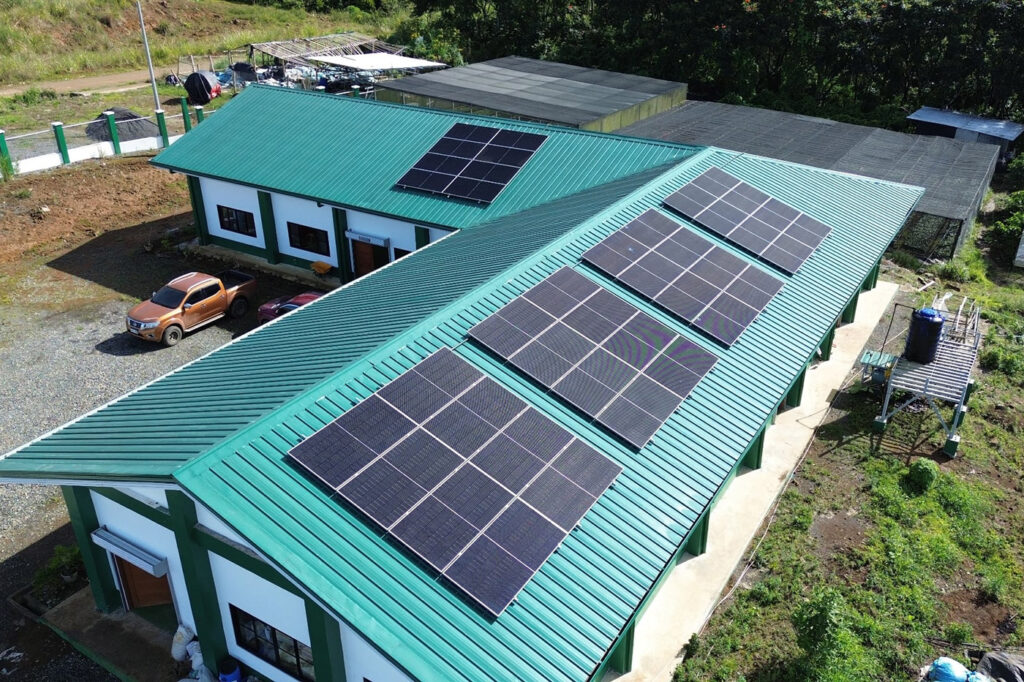
Seeking a more reliable way to process their harvests, the cooperative adopted solar energy with support from the Peace and Equity Foundation’s Productive Use of Renewable Energy (PURE) initiative.
Today, Leonila’s cooperative runs on solar energy, allowing processing to continue regardless of interruptions to the grid. Work that once stretched across six or seven months can now be completed in one, while more consistent processing has improved the quality of the beans and strengthened the cooperative’s position in the market.
For Leonila, the biggest change is harder to measure than kilowatts or processing times. Reliable energy has given her cooperative something it had long been missing: the confidence to plan, fulfil larger orders and capture more of the value created by the farmers it represents.
Across Asia, stories like Leonila’s suggest that the future of clean energy will be written not only in power plants and policy rooms, but in the communities where people are finally able to realise the full value of what they already know how to grow.
Featured Stories
RENEWABLES FIRST
The solar boom Pakistan built for itself
Rubina Bibi once relied on oil lamps, worrying for her children after dark. Today, a single solar panel lights her home in Taunsa — one of millions of self-built systems nationwide. Pakistan shows that the energy transition doesn’t always start top-down; sometimes, it begins with people who decide to build it themselves.
ENERGY TRANSITION FORUM
Shared fields, shared prosperity in South Korea
As growing seasons turned tougher, agrivoltaics — growing crops beneath solar panels — offered the farmers of Wolpyeong Village a possible path forward. Skeptical, they travelled to see it for themselves, and came home resolved, building South Korea’s first 1 MW resident-led agrivoltaics initiative — demonstrating that clean energy, done right, can support the livelihoods of farming communities.
SABAH RE2 CONSORTIUM (FACILITATED BY FOREVER SABAH)
A community-led blueprint for clean, reliable power in Sabah
For decades, the Indigenous Suluk people of Pitas Laut protected their mangrove home without reliable power. In 2024, they proposed their own solar project — today, all 20 households run on 24/7 electricity, self-managed. Their story is now a blueprint Sabah hopes to replicate 400 times over.
NEW ENERGY NEXUS
Building Southeast Asia’s clean energy entrepreneurs
A blackout back home pushed Jose Magallanes Jr. to teach himself solar — now he runs his own business in Davao after going through entrepreneurship training. His story reflects a wider truth: the region’s clean energy future depends as much on skilled people as on new solutions.